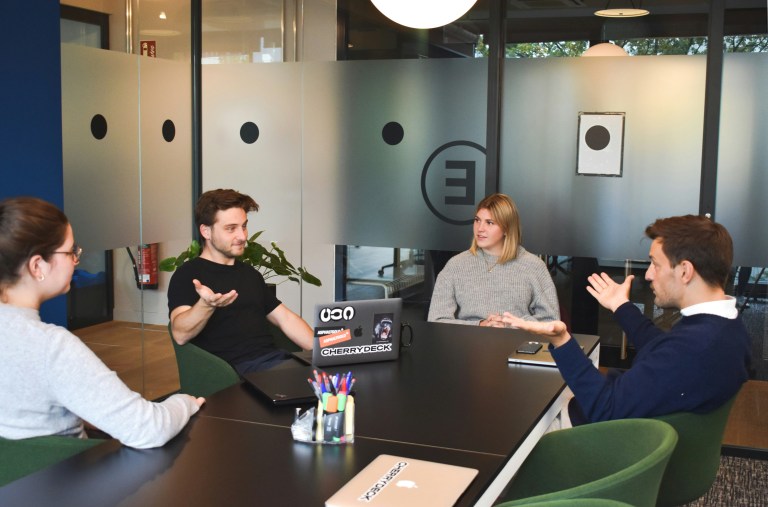
Inclusive visitor experiences do not happen by chance. They are built, carefully, consistently, and with intention, through people who feel confident in how they engage, listen, and respond. Across public-facing institutions, the quality of interaction increasingly defines public trust. In this context, staff training courses are no longer a background HR function. They are a strategic tool for shaping how people feel welcomed, understood, and included.
When learning is structured and human-centered, it becomes the foundation for meaningful engagement rather than a box-ticking exercise.
Why Staff Training Courses Matter for Inclusion
Every visitor arrives with different expectations, backgrounds, and levels of confidence. Some seek information. Others seek reassurance, recognition, or a sense of belonging. Staff are the bridge between institutional purpose and individual experience.
Well-designed staff training courses equip employees to manage this diversity with clarity and empathy. They move teams beyond scripted responses and toward real conversations. Over time, this strengthens consistency without flattening individuality, an essential balance in inclusive environments.
Just as importantly, structured learning signals trust. It makes staff realize that their role matters and that their judgement, emotional intelligence, and cultural awareness are valued, not incidental.
Moving from Information Delivery to Human Engagement
Many organisations still focus training on procedures, tools, and compliance. While these elements matter, they rarely shape how visitors feel. Inclusion emerges when staff can read situations, adjust tone, and respond with confidence.
A strong staff training program recognises this shift. It develops listening skills, situational awareness, and the ability to engage proactively, especially with visitors who may feel hesitant or overlooked. In practice, this means training that reflects real interactions, not idealised scenarios.
As a result, staff stop acting as gatekeepers of information and start acting as facilitators of understanding.
Designing Learning Pathways That Stick
Effective professional growth does not rely on one-off workshops. It depends on learning pathways that build capability gradually and sustainably. High-impact staff training courses share three characteristics:
- Relevance: Content reflects real visitor situations, cultural nuances, and emotional dynamics.
- Continuity: Learning unfolds over time, allowing reflection, practice, and feedback.
- Psychological safety: Staff feel safe to ask questions, make mistakes, and grow.
When these elements align, learning becomes part of daily behaviour rather than an external obligation. In turn, inclusion becomes embedded, not enforced.
Empowerment Through a Strong Staff Training Program
Confidence is contagious. Staff who feel prepared are more likely to take initiative, approach visitors proactively, and adapt to unexpected needs. A thoughtful staff training program focuses on empowerment rather than control.
This means helping employees understand why inclusion matters, not just how to perform it. It also means recognising and developing cultural competence as a skill that staff can learn, practise, and refine.
At Octagon Professionals, learning is designed around this principle. Training strengthens emotional intelligence, builds confidence in diverse interactions, and supports staff in becoming attentive, proactive, and human in their engagement. The goal is not uniform behaviour, but shared values expressed through authentic action.
Why Learning Providers Make the Difference
Not all training creates impact. The difference lies in whether learning reflects the realities of front-line work and the values institutions seek to embody. The most effective staff training courses come from partners who understand both people and purpose.
Octagon Professionals stands out by treating learning as talent development rather than instruction delivery. Our courses have structure, yet they are flexible. They are rigorous, yet grounded in human experience. This balance ensures that a staff training program supports operational needs while strengthening inclusion, confidence, and trust.
Over time, this approach helps organisations build teams who do not simply represent an institution, but who bring its values to life in every interaction.
Strengthening Trust Through Learning
We build inclusive visitor experiences with one conversation at a time. When staff feel equipped to listen, respond, and connect, institutions become more accessible and credible. Structured learning plays a quiet but decisive role in this process.
By investing in staff training courses that prioritise people over process, organisations reinforce trust, internally and externally. They show that inclusion is not an aspiration, but a daily practice shaped through learning, reflection, and care.
At Octagon Professionals, structured learning is designed to support exactly this outcome: confident staff, inclusive engagement, and experiences that leave people feeling seen.