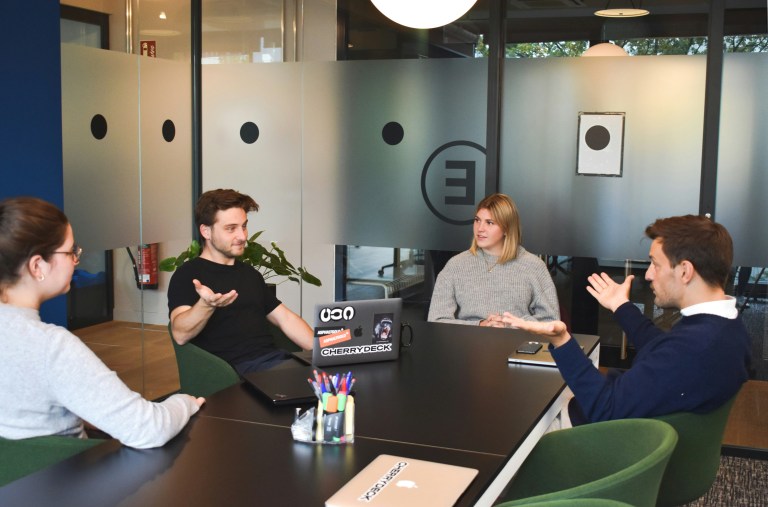
Employee engagement drives organisational success. Engaged employees show higher productivity, stronger commitment, and greater job satisfaction. As a result, they create a positive workplace culture that fuels retention and business growth. In essence, engaged employees are more than staff members; they are the foundation of a thriving organisation.
Many companies understand the value of employee engagement, yet they often struggle to measure and improve it effectively. Without clear insights into current engagement levels, it becomes difficult to know where to focus improvement efforts.
Effective Ways to Measure Employee Engagement
Measuring employee engagement helps leaders identify strengths and areas that need attention. Several reliable methods can reveal how employees truly feel at work.
1. Conduct an Employee Engagement Survey
A survey is one of the best ways to measure engagement levels. It gathers valuable feedback about job satisfaction, management, and workplace culture. Surveys also highlight what motivates employees and what might cause dissatisfaction.
2. Hold Regular One-on-One Meetings
Open discussions between managers and employees build trust and uncover concerns early. Encouraging honest feedback in these meetings ensures that issues are addressed before they grow.
3. Organise Focus Groups for employee engagement
Focus groups provide deeper insights than surveys. By inviting a small group of employees to discuss specific topics, businesses gain qualitative feedback that helps solve complex engagement challenges.
4. Conduct Exit Interviews
Exit interviews reveal why employees leave. Understanding these reasons helps prevent future turnover and strengthens overall engagement strategies.
Engagement Killer to Avoid: Micromanagement
Micromanagement remains one of the biggest threats to employee engagement. When leaders control every detail, employees feel undervalued and restricted. This lack of autonomy reduces creativity, limits ownership, and increases frustration.
Empowered employees perform better. When organisations trust staff to manage their own tasks, motivation and confidence rise. This trust-based approach enhances employee engagement and builds a healthier, more productive environment.
How to Run a Successful Focus Group
A well-run focus group can significantly improve your understanding of employee engagement. Here’s how to conduct one effectively:
- Define Clear Objectives: Decide what you want to learn, for example, opinions on a new policy or feedback on workplace culture.
- Select a Diverse Group: Include employees from various departments and levels. Aim for six to ten participants to keep discussions balanced.
- Create a Safe Environment: Encourage open, honest dialogue by ensuring confidentiality. A neutral facilitator can help guide the conversation.
- Ask Open-Ended Questions: Use thoughtful questions that invite discussion. For instance, ask, “What motivates you most at work?” instead of “Are you happy with your job?”
- Analyse and Act on Results: After the session, review the feedback carefully. Identify key themes and take visible action to address them. Employees should see that their input leads to real improvements.
Strategies to Increase Employee Engagement
After measuring engagement, it’s time to take action. The following strategies help build a stronger, more motivated workforce.
Recognition and Appreciation
Acknowledging employee achievements boosts morale and motivation. Recognition programmes, whether formal or informal, show employees that their efforts matter.
Professional Development
Offering continuous learning and growth opportunities significantly boosts employee engagement. Moreover, when employees can develop new skills and advance their careers, they feel more valued and, consequently, remain more committed to the company.
Healthy Workplace Relationships
Engagement isn’t just about productivity or recognition, workplace culture also plays a crucial role. Personal relationships between employees, including romantic connections, can affect team dynamics, collaboration, and overall morale. Implementing rules thoughtfully ensures a safe, respectful environment that supports engagement and trust.
Work-Life Balance
Flexible working options improve work-life balance and reduce burnout. Whether through remote work or adaptable schedules, flexibility helps employees stay happy and engaged.
Transparent Communication
Open communication builds trust, and moreover, it strengthens the connection between employees and management. By keeping employees informed about company goals, changes, and decisions, leaders create a sense of inclusion. As a result, transparency encourages collaboration and engagement across all levels of the organisation.
Inclusive Leadership
Leaders who include employees in decision-making therefore strengthen engagement and trust. In addition, valuing diverse perspectives promotes inclusion, fosters creativity, and encourages shared ownership throughout the organisation.
Use Employee Engagement Software
Modern software not only helps track and improve engagement levels in real time, but also enables companies to collect feedback more efficiently. Furthermore, it allows HR teams to analyse data and take immediate action based on accurate insights. As a result, using such tools creates a continuous feedback loop that consistently strengthens long-term engagement strategies.
Partner with Octagon Professionals to Strengthen Employee Engagement
At Octagon Professionals, we help international businesses measure and enhance employee engagement. Our expat-friendly HR experts support organisations with tailored HR solutions, from conducting a survey to implementing effective employee engagement software.
If you want to better understand and improve engagement within your workforce, contact us today. Together, we can create a workplace where employees feel valued, empowered, and inspired to succeed.