Across Europe, cultural institutions are undergoing significant changes. Citizens no longer visit cultural heritage spaces only to receive information; they come to feel recognised, included, and heard. This shift requires a new professional standard, one that moves beyond traditional roles such as guides, ushers, or guards. The culture facilitator is increasingly discussed as a response to this change, reflecting Europe’s evolving understanding of participation, dialogue, and democratic values within cultural heritage spaces.
At a time when trust in institutions depends increasingly on human interaction, the culture facilitator represents a meaningful step forward.
The Culture Facilitator: A New Standard for Cultural Heritage Engagement
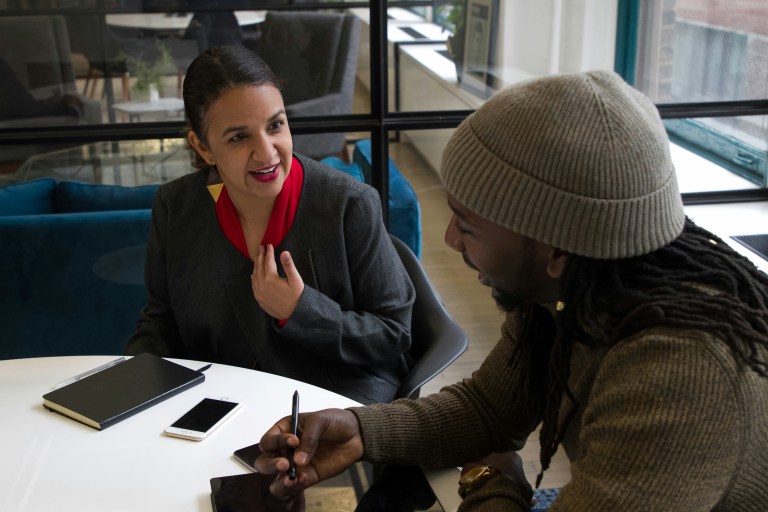
A culture facilitator isn’t defined by tasks alone, but by behaviour, mindset, and presence. Unlike traditional visitor-facing roles that focus on supervision or scripted explanations, culture facilitators actively support conversation, understanding, and belonging within cultural heritage environments.
They recognise that cultural heritage is not static. It is lived, questioned, and reinterpreted by every visitor. As a result, their role centres on listening as much as speaking, on responding rather than reciting, and on adapting to individual visitors rather than managing crowds.
In practice, this means facilitating encounters where visitors feel confident asking questions, expressing uncertainty, or connecting their own experiences to European history and values.
Why Traditional Roles No Longer Meet Today’s Expectations
Many cultural institutions still rely on job profiles designed for a different era. Guides were trained to deliver information, ushers were tasked with controlling space, guards ensured rules were followed. While these functions remain necessary, they are no longer sufficient on their own.
Today’s visitors expect emotional intelligence, cultural sensitivity, and openness. When staff remain passive or distant, visitors often feel unseen, particularly those unfamiliar with institutional language or cultural codes. This gap is not operational; it is relational.
The culture facilitator fills this gap by reframing frontline roles as relational positions that actively support access, understanding, and inclusion within cultural heritage settings.
Cultural Heritage as a Space for Dialogue, Not Performance
Cultural heritage institutions increasingly function as civic spaces rather than static showcases. In these environments, visitors arrive with diverse backgrounds, expectations, and levels of confidence. The culture facilitator understands this diversity not as a challenge to manage, but as the very substance of meaningful engagement.
Rather than “performing” expertise, culture facilitators create conditions for dialogue. They help visitors navigate complex histories, sensitive topics, or unfamiliar perspectives with care and clarity. Over time, this approach transforms cultural heritage spaces into environments where learning feels shared rather than imposed.
Just as importantly, culture facilitators help institutions live their values through everyday interactions, quietly reinforcing fairness, accessibility, and respect.
The Skills That Define a Culture Facilitator
The culture facilitator standard prioritises human skills over procedural efficiency. Key competencies include:
- Active listening and emotional awareness
- Cultural and intercultural competence
- Confidence in open, unscripted conversation
- The ability to support individual visitors without judgement
- A calm, welcoming presence that invites participation
Culture facilitators can develop skills through training, reflection, and empowerment, not through checklists alone. Institutions that invest in this standard recognise that staff behaviour shapes public trust as much as exhibitions or architecture do.
From Staffing Roles to Cultural Ambassadorship
The culture facilitator represents a shift from functional staffing to cultural ambassadorship. Each interaction becomes an opportunity to reinforce institutional credibility and democratic values in subtle but lasting ways.
This approach aligns with initiatives such as Walk of Truth (founded in 2011), where they use cultural engagement as a bridge between histories, identities, and contemporary dialogue. By supporting human encounters rooted in respect and openness, such initiatives demonstrate how cultural heritage can foster understanding rather than distance.
In this sense, culture facilitators do not simply represent institutions; they embody them.
Developing the Culture Facilitator in Practice
Establishing the culture facilitator standard requires more than rewriting job descriptions. It demands an organisational commitment to staff development, psychological safety, and reflective practice.
In this context, Octagon Professionals supports staffing and training for visitor-facing roles in cultural heritage environments, working with institutions that prioritise inclusion, dialogue, and confident human engagement. These roles reflect a broader commitment to preparing professionals who can translate institutional values into everyday visitor experiences.
Strengthening Trust Through Human Presence
Europe’s cultural heritage institutions stand at an important crossroads. As public expectations evolve, so must the people who represent these spaces. The culture facilitator offers a professional standard grounded in listening, inclusion, and shared understanding.
By investing in this role, institutions move closer to becoming places where visitors not only observe but also experience European values. Over time, these human encounters strengthen trust, reinforce democratic participation, and ensure that cultural heritage remains a living, accessible resource for all.
To explore human-centred staffing and training for cultural heritage environments, learn more about Octagon Professionals’ services.