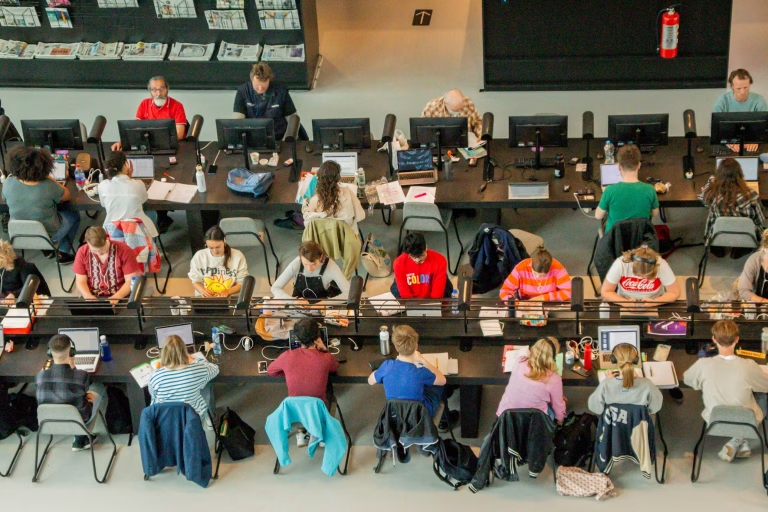
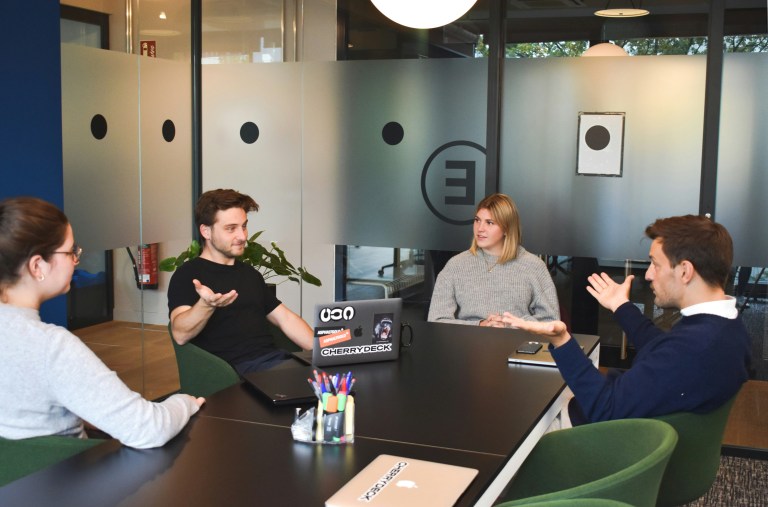
DEI stands for Diversity, Equity, and Inclusion. What is diversity equity and inclusion, though, in practical terms? In 2026, the concept has matured well beyond buzzword status. It describes the active effort organisations make to ensure every person belongs, is treated fairly, and has equal opportunity to thrive. The meaning of DEI is both simple and profound. It starts with people.
What does diversity equity and inclusion mean, exactly?
What does diversity equity and inclusion mean when you break it into its three parts? Each word carries real weight.
Diversity refers to the range of human differences within a group. This includes race, gender, age, nationality, disability, sexual orientation, religion, and background. Equity is not the same as equality. Equality gives everyone the same resources. Equity, however, gives people what they actually need to succeed. Inclusion means creating an environment where every person feels welcomed, heard, and valued. Together, these three elements form the foundation of a healthy workplace.
The DEI meaning has also evolved to include Belonging. Therefore, many organisations now speak of DEIB. This shift reflects a deeper understanding. It is not enough to simply have diverse people in the room. They must genuinely feel safe and respected there.
What is DEI doing for workplace culture?
What is diversity equity and inclusion doing in practice? It is transforming workplace culture at its core. Organisations with strong DEI commitments build teams where people feel seen. As a result, employees perform better, stay longer, and contribute more.
In 2026, remote and hybrid work has made inclusion even more critical. Workers come from different time zones, cultures, and backgrounds. Furthermore, many deal with forms of stigma daily. That stigma can stem from disability, neurodiversity, gender identity, ethnicity, or mental health. DEI gives organisations the tools to actively address those barriers.
For example, equitable hiring practices remove unconscious bias from recruitment. Inclusive onboarding helps new employees settle in quickly. Therefore, DEI is a continuous commitment running through every stage of the employee lifecycle.
What is diversity equity and inclusion breaking in terms of stigma?
One of the most important roles of DEI is the fight against stigma. Stigma causes people to hide who they are at work. It leads to underperformance, disengagement, and poor mental health. Moreover, it causes talented people to leave organisations entirely.
What is diversity equity and inclusion doing to counter this? It creates policies and cultures that normalise differences. For instance, mental health days, accessibility accommodations, and gender-neutral facilities send a clear message. They tell employees they do not need to pretend to be someone else. Therefore, DEI directly supports psychological safety, a factor closely linked to high-performing teams.
Understanding what diversity, equity and inclusion mean also means understanding the human cost of ignoring it. Exclusion actively harms people. Consequently, organisations that neglect DEI face higher absenteeism, lower morale, and reputational risk.
What is diversity equity and inclusion delivering for business performance?
The meaning of DEI is strategic. Research consistently shows that diverse teams make better decisions. They bring more perspectives to problems and find creative solutions faster. In turn, that leads to stronger business outcomes.
Companies in the top quartile for ethnic diversity significantly outperform their peers. Similarly, gender-diverse companies report higher profitability. Therefore, investing in DEI is a smart business.
Furthermore, DEI strengthens employer branding. Talented candidates in 2026 actively evaluate an employer’s DEI record before applying. They want to work somewhere they can grow. As a result, organisations with strong DEI commitments attract better talent and reduce turnover costs.
Clients and partners also take notice. In a global market, working with inclusive companies signals integrity and forward thinking. Therefore, DEI becomes a competitive advantage across the entire value chain.
DEI is a long-term investment in people
Understanding what is diversity, equity and inclusion is the first step. The next is embedding it into everything an organisation does. That means leadership commitment, equitable policies, and inclusive day-to-day practices. It also means listening, genuinely and continuously, to the people within your organisation.
The DEI meaning has shifted in 2026. It is a business philosophy rooted in respect, fairness, and belonging. Organisations that embrace it build better workplaces and better futures for everyone in them.
DEI is something Octagon Professionals International understands deeply. With 38 years of experience supporting international organisations across Europe, Octagon has built its HR practice on exactly these values. Their team of 20+ nationalities brings cultural intelligence to every client engagement. Therefore, when organisations need help building compliant, inclusive workforces, Octagon brings both the expertise and the lived experience to do it well.