Moving to the Netherlands for work is exciting. You sorted your Netherlands work visa or Dutch work permit, signed the contract, and packed your life into suitcases. What nobody fully prepares you for is what comes next: the small daily realities that make living in the Netherlands feel both wonderful and, at times, surprisingly different from home.
Whether you are arriving from the US, Asia, Southern Europe, or anywhere else, these 12 culture shocks are the ones international professionals mention most often. Each one comes with a practical tip to help you settle in faster and make the most of your time here.
1. Biking is a way of life
If you are moving to the Netherlands from the US or any country without serious cycling infrastructure, nothing quite prepares you for Dutch bike culture. The Netherlands has over 35,000 kilometres of dedicated cycle paths, and nearly everyone uses them daily, rain or shine.
Beyond the infrastructure, cycling here is a social contract with its own unspoken rules. Locals cycle fast and signal clearly with arm gestures. Traffic rules apply to cyclists just as strictly as to cars. Running a red light on a bike can result in a real fine, and cutting across a bike lane without looking is a reliable way to earn a sharp look from a commuter.
Tip: Ask a Dutch colleague to walk you through cycling etiquette in your first week. Your commute will be smoother for it.

2. The Dutch are very direct
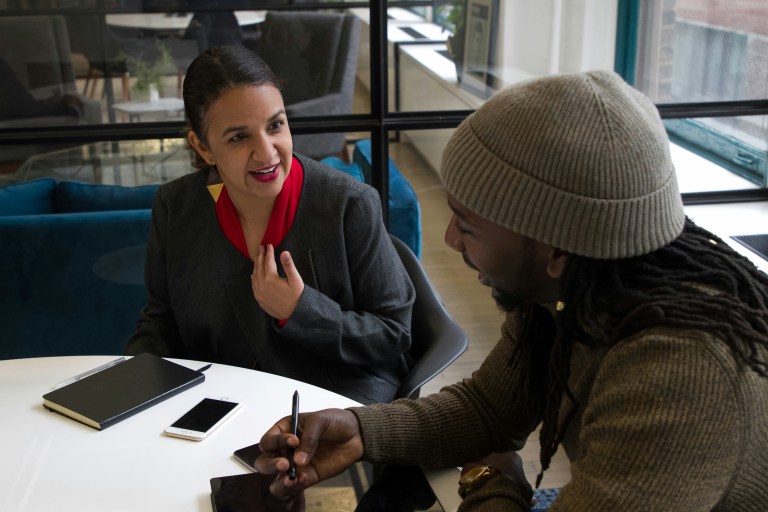
One of the first things people notice when moving to the Netherlands is how straightforward Dutch communication feels. Feedback arrives without softening. Emails reach the point in two sentences. In meetings, disagreement is expressed plainly, and no one expects a lengthy warm-up before the actual message is delivered.
For professionals from cultures where indirect communication, context, and politeness signals carry significant weight, this can feel blunt or even impolite at first. It is not. Dutch directness reflects a genuine respect for other people’s time and a preference for clarity over ceremony. Once you understand that, working relationships here tend to be refreshingly uncomplicated.
Tip: Do not read negativity into straight feedback. When a Dutch colleague says something needs work, they want to help you, not criticise you.
3. Work-life balance is seriously protected
Moving to the Netherlands means something shifts the moment you enter Dutch professional culture. Leaving work exactly on time is not considered rude. It is expected. Senior professionals work four-day weeks. Part-time contracts are common across all levels and seniority. Overtime exists, but it is not celebrated, and it is rarely treated as a signal of commitment or ambition.
For professionals who have built careers in cultures where long hours demonstrate dedication, this can feel disorienting at first. The adjustment takes time. Efficiency is the currency here, not hours clocked. Once you internalise that, the Dutch approach to work stops feeling surprising and starts feeling like good sense.
Tip: Respect your own boundaries from the start. Leaving on time is not disengagement. It is exactly what your Dutch colleagues expect.
4. Flat hierarchy at work
Jobs in the Netherlands, whether in large multinationals or smaller Dutch firms, tend to operate on a notably flat organisational structure. Managers are approachable and go by their first names. Decisions happen through group discussion rather than top-down instruction. Open disagreement with leadership is not just tolerated but genuinely expected.
For professionals coming from more hierarchical cultures, this can feel confusing at first. You may wonder whether there is any formal authority at all, or whether your opinion truly carries weight in a meeting where a director is sitting across from you. It does. Speaking up is not just welcome here; staying silent can actually be interpreted as disengagement or a lack of confidence.
Tip: Share your view clearly in meetings, even if you disagree with the room. Your input is expected and valued.
5. Planning everything in advance
Once you start living in the Netherlands, you will discover that spontaneity has a time and a place, and that time is usually three weeks from now. Dutch social and professional calendars fill up quickly. Dinner invitations go out days or weeks in advance. Even a casual coffee catch-up tends to be scheduled rather than suggested on the fly.
This is not unfriendliness. The Dutch place real value on reliability and structure. Planning ahead is a form of respect for other people’s time. An unexpected drop-in at work or at home can feel intrusive rather than welcome, which is the opposite of what most spontaneous personalities intend when they show up unannounced.
Tip: Get comfortable with your calendar app early. Scheduling social time in advance is how Dutch friendships are built and maintained.
6. Lunch is very simple
This is one of the most commonly mentioned surprises for expats moving to the Netherlands. Dutch lunch culture is modest: a couple of slices of bread, some cheese, perhaps a slice of lunch meat or a layer of peanut butter. Hot meals at midday are uncommon in most workplaces. The main cooked meal of the day is dinner, eaten relatively early by European standards, often around 6 or 7 pm.
For people from cultures where a substantial midday meal is normal, whether a full plate, a hot bowl of soup, or a cooked lunch from home, the Dutch lunch can feel like a snack. There is no social stigma around this; it is simply how things are, and most Dutch people find the practice perfectly satisfying.
Tip: Bring your own lunch if you prefer something more substantial. Dutch offices typically have well-equipped kitchenettes for heating food.
7. Weather can be a mood shift – moving to the Netherlands 101
Moving to the Netherlands from a sunnier climate is one thing. Staying positive through October to March is another challenge entirely. The Dutch climate is famously grey, damp, and windy. Rain does not arrive dramatically here; it drizzles persistently for days on end. Winters lack the charm of heavy snowfall but deliver plenty of cold, low light, and mud.
Seasonal mood dips are real and widely acknowledged among the expat community. The Dutch themselves have adapted through outdoor habits, cycling year-round, and a strong tradition of gezelligheid, the Dutch concept of cosy togetherness. Getting outside, even in bad weather, genuinely helps more than staying in and waiting for the sun.
Tip: Invest in a quality waterproof jacket and good cycling gear early. The right kit changes your entire experience of a Dutch winter.
8. Everyone speaks English, but official life is still in Dutch
This is one of the genuine advantages for English speakers working in the Netherlands. The Dutch consistently rank among the top non-native English speakers in the world. Most professional environments function comfortably in English, and day-to-day navigation in cities like Amsterdam, The Hague, or Rotterdam is largely possible without Dutch.
But official processes are a different matter. Government correspondence, healthcare paperwork, tax notices, and documents related to your Netherlands work visa or Dutch work permit will often arrive in Dutch. Some smaller employers and local service providers communicate exclusively in the language. Social integration also moves considerably faster when you make the effort to learn.
Tip: Learn the basics early. Even a modest level of Dutch earns you real warmth from locals and makes official processes significantly less stressful.
9. Moving to the Netherlands – The Tikkie culture
Tikkie is a Dutch payment app that lets you send a payment request to anyone with a Dutch phone number. If you are living in the Netherlands, you will encounter it almost immediately, likely within your first week. Friends send Tikkie requests after group lunches. Colleagues split the exact cost of a shared office gift. Someone may send you a request for two euros after a round of coffee.
For people from cultures where small amounts are simply let go or where the person who extends the invitation pays the bill, this habit can feel strange or even slightly awkward at first. It is neither. Splitting fairly is a normal, unselfconscious part of everyday social life here, and no offence is ever intended by a Tikkie request.
Tip: Download Tikkie and connect it to your Dutch bank account before you need it. Knowing how it works removes any social friction.
10. Housing can be challenging when moving to the Netherlands
This is one of the most practical culture shocks when moving to the Netherlands, and one that deserves honest attention before you arrive. The Dutch rental market, particularly in cities like Amsterdam, Rotterdam, The Hague, and Utrecht, is highly competitive. Demand consistently outpaces supply. Private rentals move fast, often within days of listing.
Prices are high relative to European averages. Many expats arriving on a Netherlands work visa discover that finding accommodation takes significantly more time and flexibility than they anticipated. Furnished rentals exist but come at a premium. Neighbourhoods further from the city centre often offer better value and remain well connected by public transport or cycling routes.
Tip: Start your housing search as early as possible, ideally before you arrive. Flexibility on neighbourhood and commute distance opens up considerably more options.
11. Coffee culture is practical, not social
Coffee in the Netherlands is good, but the ritual around it works differently from what many expats expect. A Dutch coffee break is short and functional. There is no extended midday pause for collective espresso, no tradition of lingering over a double shot while catching up with colleagues. Coffee happens quickly at your desk or in the kitchen, and then work continues.
This does not mean Dutch professionals are unfriendly. It means that socialising, genuine, relationship-building socialising, tends to happen outside working hours. Friday afternoon drinks, a weekend cycle with a colleague, a dinner invitation sent two weeks in advance. That is where Dutch professional friendships are actually formed, not over the office coffee machine.
Tip: If you want to build real connections with Dutch colleagues, suggest something outside work. That is where the conversations actually happen.
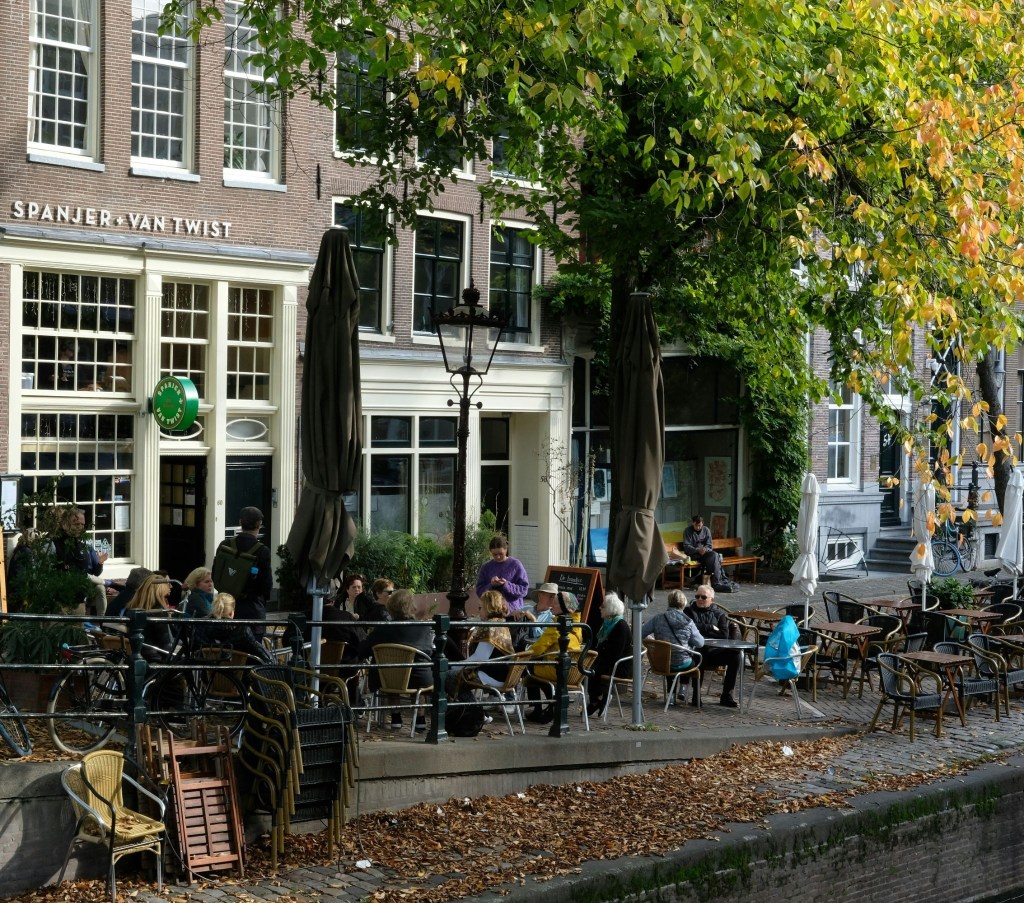
12. Integration when moving to the Netherlands takes real effort
Dutch people are genuinely friendly. But for many expats living in the Netherlands, building friendships beyond the international community takes longer than expected. The Dutch tend to maintain stable, long-established social circles and are not always actively looking to expand them quickly. The warmth is there; it simply takes consistent effort and time to access.
Many expats, particularly those who arrived through a Netherlands immigration or relocation process, find their initial social world limited to other internationals. That is a perfectly fine starting point, and the expat community in most Dutch cities is large and welcoming. But integrating into Dutch life brings a different kind of reward, one that is well worth pursuing.
Tip: Join a local sports team, a language exchange, or a community club. Shared activity is the fastest route to genuine connection in the Netherlands.
The Netherlands will surprise you, in the best way
Moving to the Netherlands for work is a genuinely rewarding experience. The culture shocks covered here, from cycling etiquette and Tikkie requests to the directness and the persistent drizzle, can feel disorienting in the first weeks. Most of them become things people grow to deeply appreciate by month six.
Give yourself time. The adjustment is real, but so is the payoff. The Netherlands offers an exceptional quality of life, a functional and fair working culture, and a country that takes integration seriously, even if it asks you to meet it halfway.
At Octagon Professionals International, we have been supporting international organisations in bringing global talent to the Netherlands for more than 38 years. We know from experience that a successful relocation is about far more than paperwork and payroll. The weeks and months after arrival matter just as much. We hope this guide helps make your integration into Dutch life a little smoother.