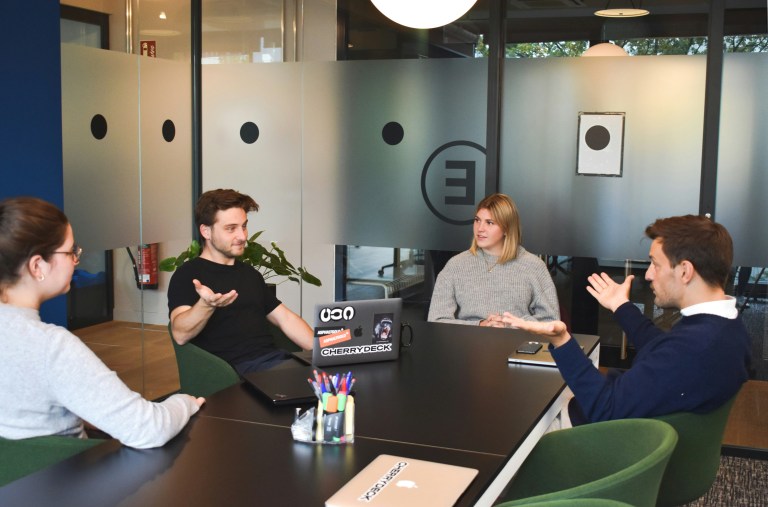
Wellbeing thrives when organisations see it not as a programme, but as a collective responsibility. In today’s public institutions, especially those serving diverse communities across Europe, the quality of internal culture has a direct impact on the quality of public engagement. When staff feel supported, heard, and trusted, they create environments where visitors experience the same.
This connection between internal wellbeing and public trust is where collective responsibility becomes more than an HR principle; it becomes a democratic one.
Why Collective Responsibility Matters for Wellbeing
Wellbeing often breaks down when it becomes a task delegated to a single department. When responsibility sits only with HR or a wellbeing champion, the initiative becomes fragile. It depends on one voice instead of many.
By contrast, collective responsibility spreads ownership across leaders, teams, and individuals. Everyone plays a part: managers model psychological safety; colleagues listen with respect; organisations create structures that protect fairness and inclusion. When wellbeing becomes shared, it becomes sustainable.
Collective Responsibility: Human-Centered Cultures Start With Everyday Behaviours
Wellbeing grows most consistently in cultures where human behaviors reflect shared values. This includes accessible communication, empathy in moments of pressure, and respect during disagreement. These are small actions, but over time they build a climate of belonging.
Before any policy change or initiative, people notice tone, presence, and attitude. They notice if leaders slow down enough to listen. They notice if colleagues look out for one another. A human-centered culture is created in these micro-moments, which signal to staff that their wellbeing matters every day, not just during workshops or campaigns.
Collective Responsibility Requires Confidence and Clarity
Taking shared responsibility for wellbeing requires confidence: the confidence to speak up, to ask for support, and to establish healthy boundaries. It also requires clarity in expectations so people know how to act on shared values.
In many European organisations, we see that staff want to contribute actively to positive workplace cultures but often lack the framework. A clear human-centered framework makes participation easier: guidelines that encourage listening, norms that protect inclusion, and practices that reward cooperation.
This kind of structure empowers staff to act in alignment with organisational values, especially in public-facing environments where their interactions shape visitor trust.
Collective Responsibility Through Shared Values
A human-centered framework for collective responsibility rests on several pillars:
Shared Norms
Clear expectations for communication, respect, and collaboration help people act with confidence.
Distributed Ownership
Leaders, teams, and individuals each play a defined role, so wellbeing does not rely on one department.
Cultural Awareness
Understanding diverse backgrounds strengthens psychological safety and reduces misunderstanding.
Reflective Practice
Regular dialogue and feedback help organisations adapt and renew their commitment to wellbeing.
This kind of framework supports institutional values, fairness, transparency, and inclusion, and helps staff embody them naturally.
Strengthening Trust Through Shared Commitment
When organisations treat wellbeing as a collective responsibility, they cultivate environments where people feel safe, respected, and connected. Over time, this strengthens internal cohesion and, in turn, the trust that communities place in public institutions.
Shared responsibility deepens engagement, supports healthier teams, and reflects the democratic values that sit at the heart of European public service. For institutions that serve diverse audiences, this approach doesn’t just support staff, it reinforces the credibility and humanity of the organisation itself.
Next Step: Build Human-Centered Cultures With Confidence
If you want to explore how a collective responsibility framework can be built through talent development, cultural awareness, and staff empowerment, Octagon Professionals can help you design a human-centered approach rooted in European values.