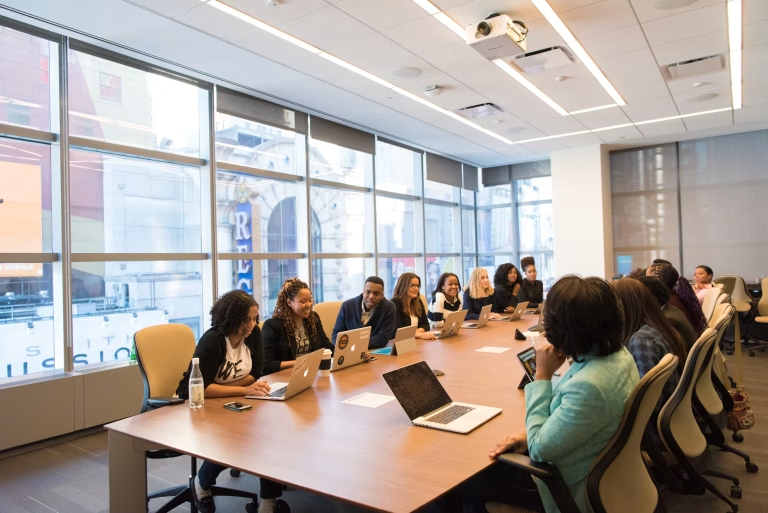
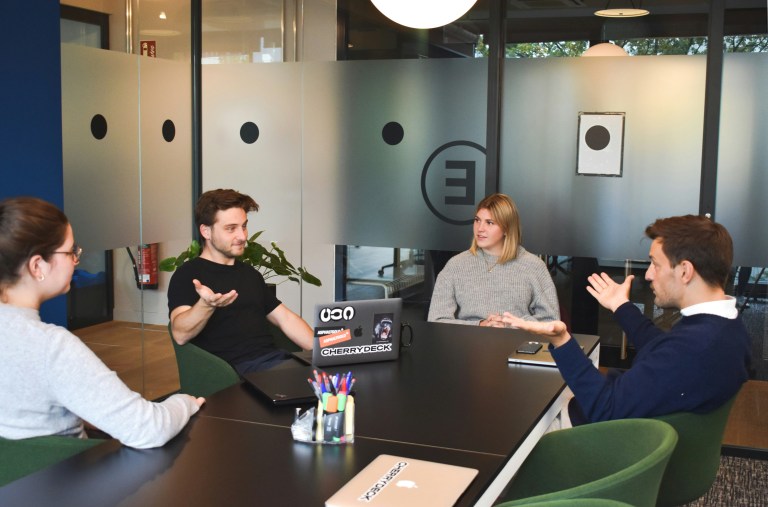
In every society, shared practices and cultural rituals help people feel part of something bigger than themselves. The same principle holds inside organisations: when people participate in moments that honour who they are and what they value, a stronger community at work emerges. These moments do not need to be grand; they simply need to be meaningful.
Why Community at Work Begins With Shared Human Moments
Even in well-structured organisations, people can feel disconnected. Roles are clear, workflows run smoothly, and yet colleagues may walk past each other without truly seeing one another. This quiet disconnection affects wellbeing more than many leaders realise. Humans build trust through recognition, not efficiency.
Building a community at work is crucial for employee wellbeing. Cultural rituals, when thoughtfully introduced, address this gap. They create small anchors of belonging, moments where people pause, acknowledge one another, and reinforce shared values. Whether it’s a reflective start-of-week gathering or a monthly storytelling circle, rituals signal: you are part of this place, and this place sees you.
The Human Insight: Rituals as Emotional Infrastructure for fostering community at work
Organisations sometimes focus heavily on functional processes but overlook emotional ones. Yet, emotional structure—cultural rituals and a strong sense of community at work—is what keeps people grounded in times of pressure or uncertainty, offering stability.
They help people:
- Feel recognised beyond their job titles
- Share meaning, not just information
- Stay connected to organisational values
- Navigate cultural differences with curiosity rather than caution
- Develop confidence in expressing identity in an inclusive environment
This matters especially in public-facing institutions where the human encounter is the message. Staff who feel anchored in supportive workplace rituals consequently bring that sense of stability into their interactions. Visitors, citizens, or colleagues feel the difference, often immediately.
What Thoughtful Rituals Look Like in Practice
Rituals don’t need to be ceremonial to build a strong community at work. Many of the most impactful ones are small and consistent:
1. Moments of Arrival
Starting a shift or meeting with a simple round of “What do you hope to bring to today?” helps people enter the day with intention. It creates a connection before tasks begin.
2. Cultural Sharing Practices
Short exchanges where team members share traditions, symbols, or stories from their background foster cultural understanding. They also normalise curiosity and reduce anxiety around differences.
3. Reflection Rituals
A five-minute end-of-week reflection, what uplifted you, what challenged you, what you learned, builds emotional intelligence over time.
4. Acknowledgement Circles
Recognising moments of care, courage, or inclusion strengthens a community at work by celebrating behaviour aligned with shared values rather than formal achievements alone.
These rituals help staff feel confident and authentic, which is essential for any environment where people guide, welcome, or support others.
Community at Work, Cultural Rituals, and the Work of Dialogue
There is a deeper purpose to rituals: they open space for dialogue. Organisations increasingly need staff who can listen across cultures, recognise nuance, and hold difficult conversations with humility.
A powerful example comes from the long-standing work of Walk of Truth, a foundation dedicated to cultural protection and cross-border dialogue. Their approach centres on human stories, shared heritage, and the belief that communities can heal when people come together with respect. Supporting such initiatives teaches us an important lesson: when people share meaning, understanding grows. When understanding grows, trust follows.
This philosophy aligns closely with how organisations can build healthier, more inclusive workplaces with a strong community at work. Rituals, in this sense, are practice grounds for dialogue, where people learn to listen, to speak with care, and to recognise the cultural layers that shape identity.
Why Rituals Strengthen Democratic Values Inside the Workplace
Workplaces are small democratic spaces. They thrive when people feel heard, included, and able to contribute authentically. Rituals reinforce those conditions.
They help teams:
- Practice attentive listening
- Build mutual respect
- Navigate diversity with confidence
- Create environments where everyone feels they belong
These are the same foundations that strengthen public trust in democratic institutions. When staff experience these behaviours internally, they naturally carry them outward, to visitors, communities, and civic spaces where human connection matters most.
For organisations in complex environments like Brussels or Paris, where talent comes from many cultures, rituals become a unifying thread. They give teams a shared rhythm while honouring individual identities.
community at work: Rituals as Everyday Acts of Care
When organisations choose to weave meaningful rituals into daily life, they do more than improve morale. They build a resilient community at work, one where wellbeing grows through connection, inclusion, and shared understanding. These small acts of care shape how people show up, how they listen, and how they support others.
And when staff feel grounded, valued, and confident, they become stronger ambassadors of the values their organisation hopes to embody.
Interested in strengthening cultural understanding and wellbeing in your organisation? Octagon Professionals can help you develop human-centred training that supports authentic, value-aligned engagement.