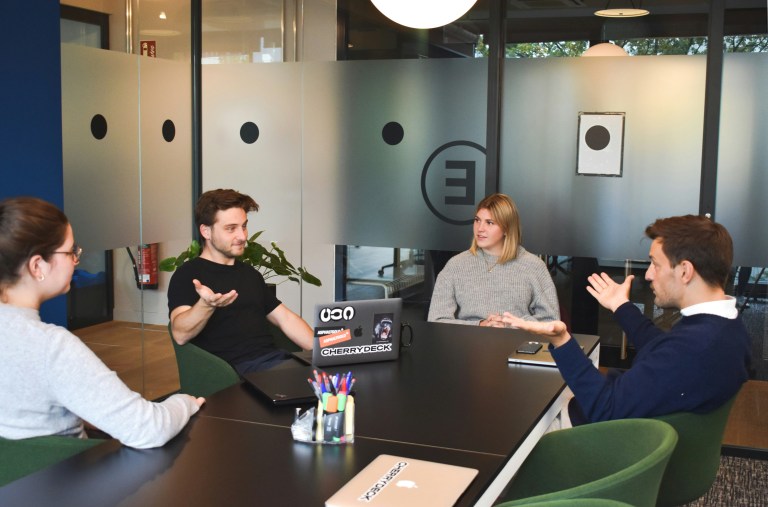
Well-organised corporate events build stronger connections between employees and inspire a shared sense of purpose. Beyond being an enjoyable occasion, an event can boost engagement, celebrate success, and strengthen company culture. In 2025, as workplaces continue to adapt to hybrid models and digital collaboration, corporate event planning requires more creativity and structure than ever.
Making Corporate Events Meaningful
Corporate events help teams unite, improve communication, and motivate employees to work towards common goals. Yet, to achieve these outcomes, HR and management teams must plan with clear objectives in mind. Before diving into the details, ask yourself a few key questions:
- What is the main purpose of this event?
- Which employees should attend?
- How can this event reflect company values?
- What improvements can we make from previous events?
- How can we motivate employees to participate?
By defining these goals early, your corporate event will deliver a meaningful experience rather than just another day on the company calendar.
Types of Corporate Events
Every corporate event serves a different purpose, from boosting teamwork to recognising achievements, but each one plays a vital role in building a stronger, more connected workplace.
Team-Building Corporate Events
When new employees join or teams complete major projects, team-building activities help strengthen working relationships. These events encourage trust and collaboration through shared experiences. The best organisers involve employees when choosing activities. For example, some might prefer outdoor challenges, while others enjoy creative workshops. Keeping activities diverse ensures that everyone finds something enjoyable.
Professional Corporate Development Events
A corporate event that focuses on professional growth can drive both engagement and retention. Workshops, seminars, or industry panels allow employees to develop new skills and exchange knowledge. Companies can invite industry leaders or guest speakers to share insights and trends. These opportunities not only help employees grow but also show that the organisation invests in their future.
Annual Corporate Events
Annual gatherings, such as company anniversaries, holiday parties, or summer picnics, remain highlights of the year. These events celebrate achievements, share updates, and strengthen company spirit. They also give management the chance to thank employees for their dedication and set inspiring goals for the year ahead. When done well, these moments of recognition can greatly improve morale and loyalty.
Check out Top Places to Visit in the Netherlands this Summer
Choosing the Right Venue
The venue of your corporate event plays a key role in creating the right mood, encouraging participation, and ensuring your event runs smoothly from start to finish.
Offline or Offsite Events
Before 2020, most companies chose between hosting events in the office or renting an external venue. While that still applies, the options today are broader. Training sessions often work best in the office, while team-building events thrive in external locations such as sports centres, parks, or hotels. Annual events, on the other hand, may need larger venues like museums or conference halls.
Online Corporate Events
Virtual events have evolved far beyond simple video calls. Today, online corporate events include interactive quizzes, digital performances, or remote workshops. These formats make it easier for global teams to join, saving travel costs while keeping engagement high. The key to success lies in keeping the experience dynamic and interactive.
Hybrid Events
Hybrid events combine the best of both worlds, physical participation and digital access. This format suits companies with remote and in-office employees. However, hybrid events require more preparation. Organisers must plan materials, coordinate online tools, and ensure equal participation for everyone. Many companies now collaborate with professional event planners to manage these details effectively.
How to Increase Employee Participation
A successful corporate event depends on enthusiastic participation. To ensure this, consider the following steps:
Send Surveys Before and After the Event
Pre-event surveys help you understand what employees would enjoy most. Post-event feedback allows you to measure success and plan improvements. Involving employees at every stage increases their sense of ownership and interest.
Schedule Events During Work Hours
Whenever possible, host events during regular work hours. Employees are more likely to attend and engage if the event doesn’t interfere with their personal time. This simple scheduling choice often boosts energy and turnout.
Understand Employee Preferences
Ask for practical details like dietary restrictions, accessibility needs, or preferred activity types. Customising your event based on employee feedback shows care and inclusivity, which helps everyone feel valued and comfortable.
Share Event Details Early
Transparency is key. Include the event’s purpose, schedule, and highlights in the invitation. When employees know what to expect, they are more likely to attend with enthusiasm and curiosity.
Partner with Experts to Strengthen Engagement
Planning a corporate event requires time, creativity, and coordination. Partnering with experienced HR consultants can help your company design engaging experiences that truly align with your goals.
At Octagon Professionals, our HR specialists have helped businesses across the Netherlands organise impactful corporate events, offline, online, and hybrid. We design experiences that improve employee engagement and boost retention. If you’re ready to enhance your company culture through thoughtful event planning, contact our HR consultants today.