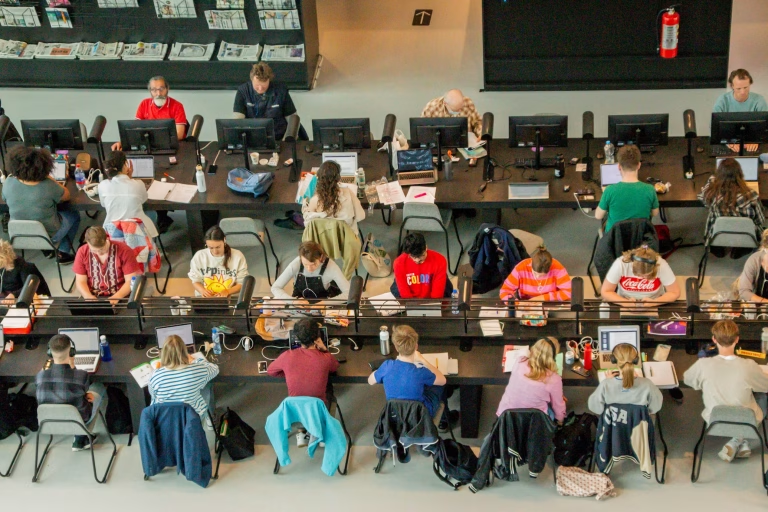
Burnout has become one of the most common workplace challenges in the Netherlands and it can be tricky to recognnise the signs and symptoms of burnout With busy schedules and growing workloads, many employees struggle to maintain a healthy work-life balance. As a result, more people are showing clear burnout symptoms. Research shows that one in five Dutch workers experiences signs of burnout today.
For international and multilingual companies in the Netherlands, managing jobs and mental health can be complex. Different cultures, working styles, and expectations about mental health at work make it essential for businesses to build supportive, compliant environments.
This article explores burnout in the Dutch workplace, explains key burnout symptoms, and highlights how employers can protect their teams while staying compliant with Dutch labour laws.
What Is Burnout and Why Is It Common in the Netherlands?
In Dutch labour law, burnout refers to a collection of stress-related symptoms caused by long-term overload. When employees experience severe fatigue, emotional exhaustion, or reduced motivation, these are treated as work-related injuries. Employers may be held responsible for preventing or addressing such burnout symptoms.
While burnout is a global issue, specific working habits in the Netherlands can make employees more vulnerable. High expectations, tight deadlines, and the Dutch culture of hard work can all contribute to burnout.
signs and symptoms of burnout in the Workplace
It can be difficult for organisations to identify the signs and symptoms of burnout. Many employees may hide their struggles or link their stress to personal life. However, spotting early signs helps prevent deeper issues and supports better mental health at work.
Here are some common warning signs that suggest burnout is affecting your workplace:
- Poor communication or lack of feedback
- Micromanagement and limited autonomy
- Focus on short-term results over long-term stability
- Overwork and unrealistic goals
- Weak leadership support or no wellness initiatives
- Low employee engagement
When these issues remain unresolved, they often lead to organisational burnout, which shows through:
- Falling productivity across teams
- High staff turnover
- Frequent absenteeism or sick leave
- Workplace tension or conflicts
- Reduced creativity and innovation
Burnout and Dutch Labour Law
In the Netherlands, burnout counts as an illness when it comes to recovery and sick leave. Employers must manage these cases in line with Dutch labour laws and policies.
Your business must first focus on prevention by providing healthy working conditions. When an employee shows burnout symptoms, you must arrange an appointment with a company doctor (bedrijfsarts). The doctor confirms the diagnosis, monitors recovery, and advises your organisation on a reintegration plan.
During this period, employers continue to pay the employee’s salary, either partially or fully. Every activity must be reported to an external body such as ArboNed, which oversees compliance.
For a full understanding, review key laws such as the Dutch Sick Leave Act (Ziektewet), Health and Safety Act (Arbowet), and Reintegration Act (Wet Verbetering Poortwachter).
How to Reduce Burnout Symptoms in Your Workplace
Once burnout symptoms appear, acting quickly is vital. Encouraging open communication, promoting flexibility, and investing in employee engagement can significantly reduce burnout risks.
Improving mental health at work benefits both staff and business performance, thus creating a culture where employees feel supported improves trust, motivation, and retention.
At Octagon, we help international companies manage jobs and mental health across cultures. Whether you need strategic advice or support with illness compliance, our experts can guide your business toward a healthier, more engaged workforce.
Get in touch today to learn how we can help your organisation recognise, prevent, and manage burnout effectively.